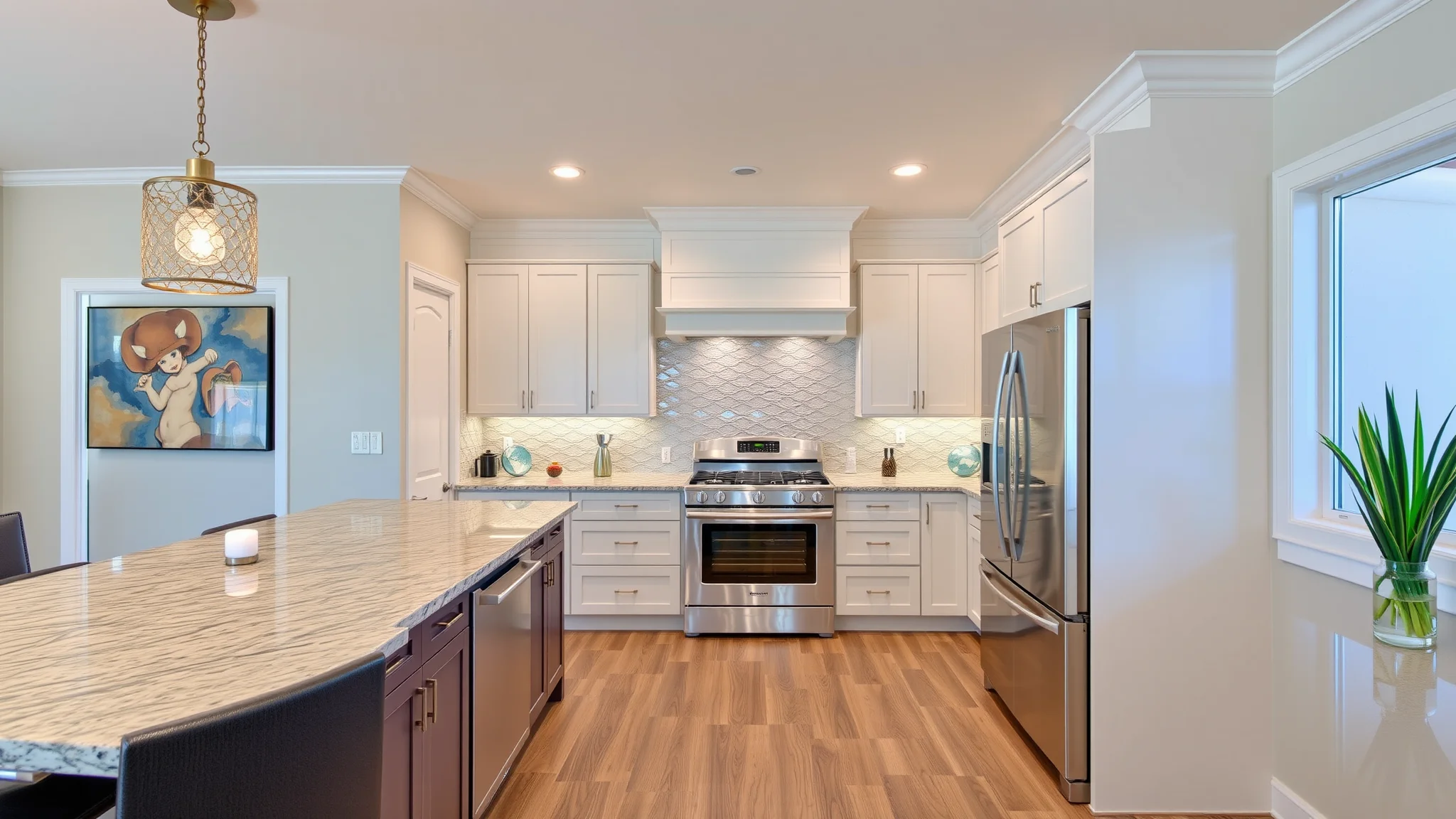
Kitchen Remodel with Island | Expert Tips & Design Ideas
How Has the Kitchen Remodel with Island Evolved Over Centuries?
Throughout history, the kitchen has been the heart of the home—a space that reflects cultural values, technological advancements, and societal shifts. The kitchen remodel with island exemplifies this evolution, moving from utilitarian spaces to stylish, multifunctional hubs. In antiquity, kitchens were often separate from the main living areas, dedicated solely to food preparation and cooking. Over time, these spaces have transformed into central features of the home, especially with the integration of islands that combine form and function.
What Are the Historical Roots of the Kitchen Island?
The concept of a kitchen island traces back centuries. In medieval Europe, helping in castle kitchens, large central worktables served as the communal hub for food preparation. These rudimentary islands were crafted from sturdy wood and often remained fixed, serving as the foundation of culinary activity. As homes transitioned into Renaissance and Baroque periods, kitchens became more specialized, but the central work table persisted, symbolizing community and efficiency.
How Did the Industrial Revolution Influence Kitchen Designs?
The Industrial Revolution brought about technological innovations—gas stoves, plumbing, and refrigeration—that radically reshaped kitchen architecture. The modern trends in contemporary kitchens owe their roots to this era, where the kitchen began merging practicality with aesthetic appeal. The addition of islands allowed for better workflow, increased storage, and social interaction, evolving into a key feature in high-end homes and modern residences alike.
Why Did the Kitchen Remodel with Island Become a Symbol of Modern Elegance?
In the 20th and 21st centuries, the kitchen remodel with island became synonymous with luxury and social vibrancy. Architects and designers appreciated the versatility of islands—serving as cooking areas, dining spaces, and social zones. This evolution was also driven by technological advances—task lighting, built-in appliances, and durable materials—transforming islands into statement pieces of home design.
What Are the Key Elements That Define a Classic Kitchen Island?
- Functional Layout: Incorporating storage, seating, and appliances for seamless workflow.
- Material Choice: Using durable stone, wood, or composite surfaces that stand the test of time.
- Design Cohesion: Matching the island’s style with the overall kitchen aesthetic—ranging from traditional to contemporary.
How Has Modern Technology Continued to Shape the Kitchen Remodel with Island?
Modern innovations have expanded the utility of kitchen islands beyond traditional cooking and prep areas. Integrated appliances such as cooktops, sinks, and waste management systems are commonplace. Smart home technology—touch-activated surfaces, Wi-Fi-enabled appliances, and built-in charging stations—add a new layer of convenience and sophistication.
Furthermore, sustainable materials and energy-efficient lighting options reflect the ongoing commitment to environmentally conscious home design. These advancements, combined with evolving aesthetic preferences, have kept the kitchen remodel with island at the forefront of home improvement trends.
What Are the Design Considerations for a Timeless Kitchen Remodel with Island?
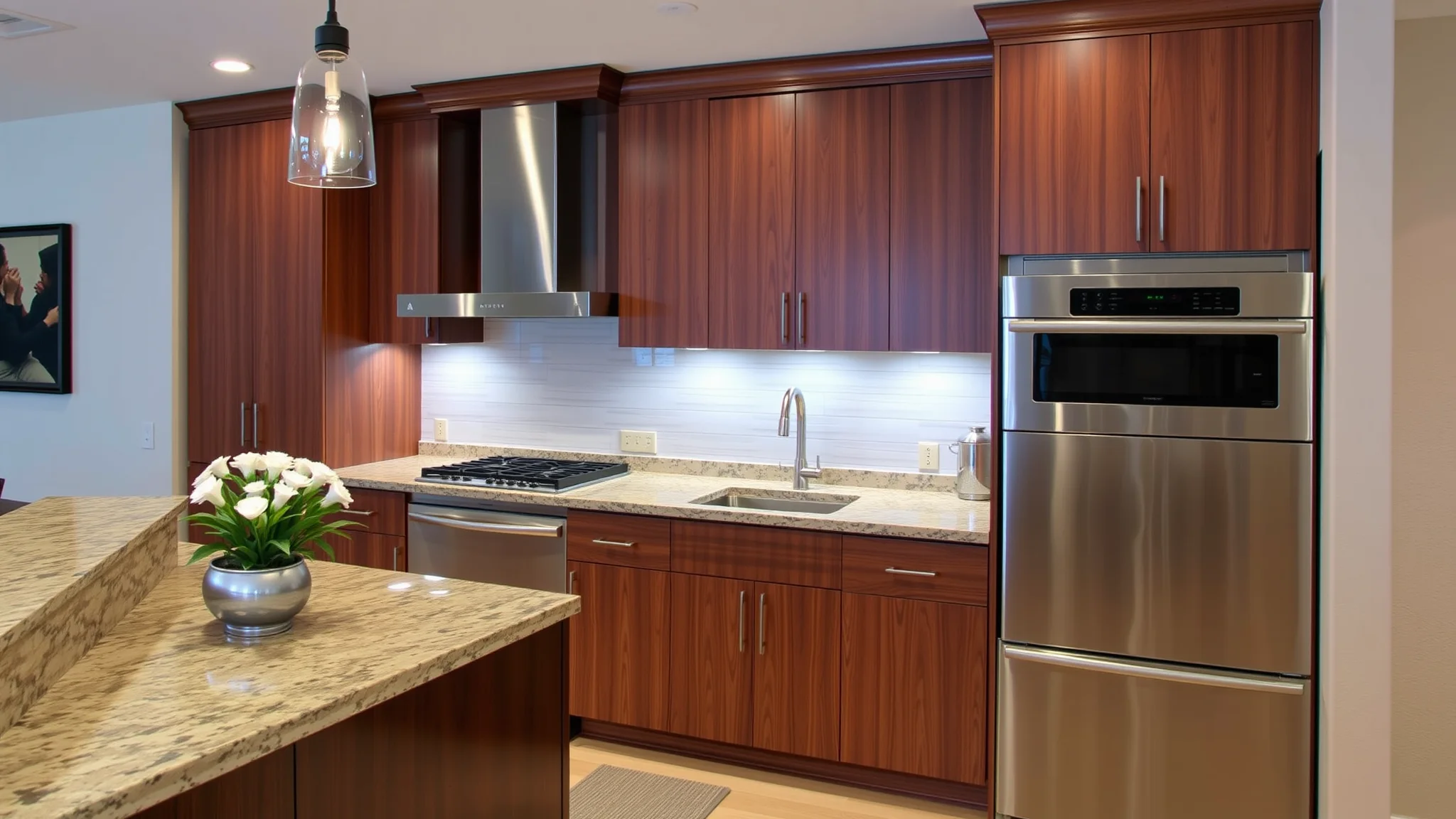
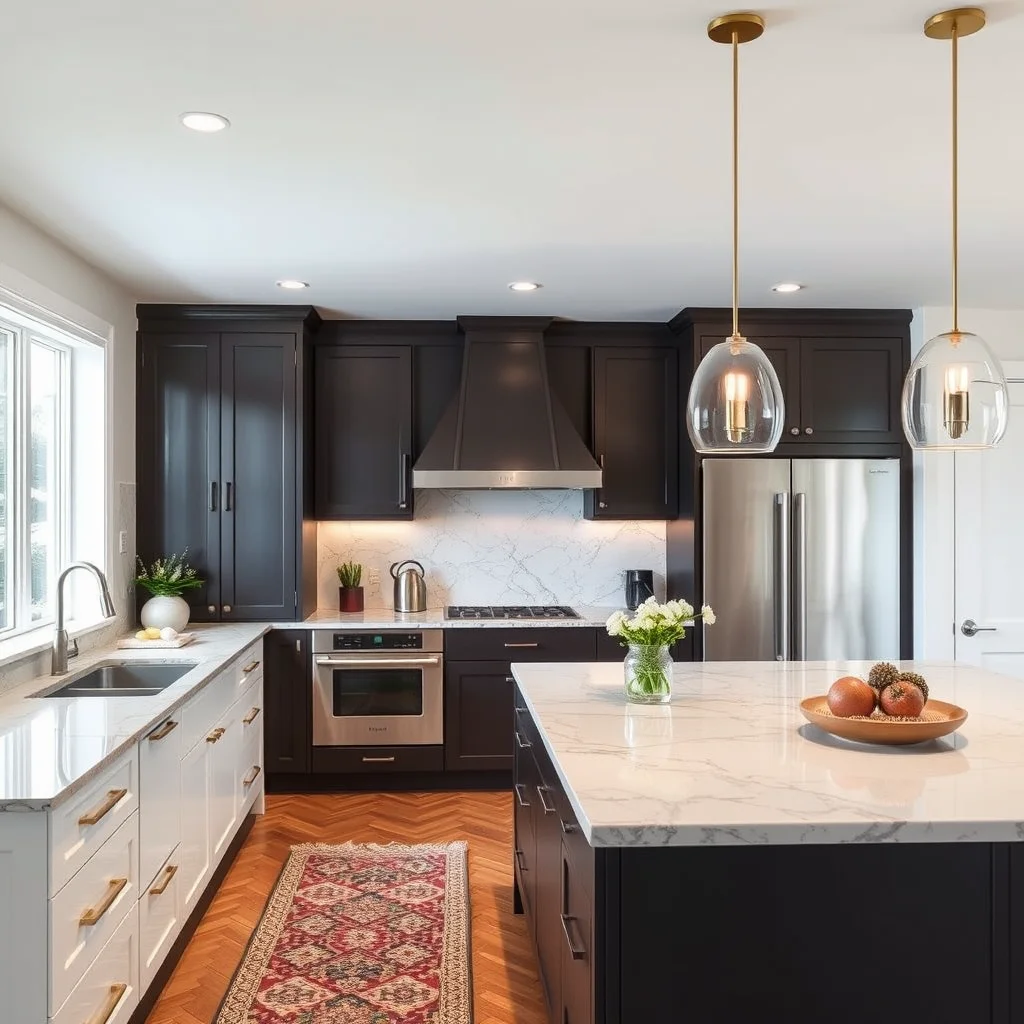
Opting for timeless design elements ensures your kitchen remains elegant through the years. Incorporate classic materials like marble, granite, or hardwood. Balance functionality with aesthetics—ensuring ample storage, comfortable seating, and accessible appliances. Achieving a cohesive flow that complements your home’s architecture is essential.
Can a Modern Kitchen Remodel with Island Honor Historic Styles?
Absolutely. Maintaining a sense of history while embracing present-day comfort and efficiency can elevate your kitchen. For instance, combining vintage cabinetry with contemporary countertops or integrating antique-inspired fixtures can preserve a historic charm. This approach allows homeowners to celebrate their home's heritage while enjoying modern amenities.
To explore inspiring ideas for upgrading your kitchen, including style and structure, visit our contemporary kitchen upgrade portfolio, which showcases how classic design elements blend seamlessly with modern touches.
What Are Some Actionable Steps for Your Own Kitchen Remodel with Island?
1. Define Your Needs and Style Preferences
Consider how you use your kitchen—do you need additional seating, a dedicated cooking zone, or integrated technology? Clarify your preferred aesthetic: traditional, transitional, or contemporary. Your choices will influence the materials, layout, and features.
2. Consult with Design Experts
Professional advice helps maximize your space and ensure functional harmony. Engage with experienced designers who can guide selections and help visualize your dream kitchen. To start your journey, schedule a kitchen remodeling consultation with our specialists.
3. Select High-Quality Materials and Fixtures
Invest in durable, stylish materials that withstand daily wear. Think about countertop surfaces, cabinetry finishes, and hardware that complement your overall aesthetic. Durability and design coherence are key for longevity and beauty.
4. Incorporate Smart Technology and Sustainable Features
Leverage modern innovations to improve efficiency and convenience. Features like integrated lighting, energy-efficient appliances, or smart faucets can elevate your kitchen’s functionality, making it a joy to use daily.
5. Prioritize Space Planning and Workflow
Design your kitchen island and surrounding layout to facilitate efficient movement. Think about the classic work triangle—sink, stove, refrigerator—while allowing sufficient space for social interactions and movement.
What Are Common Challenges During a Kitchen Remodel and How to Overcome Them?
Remodeling can present challenges such as unforeseen structural issues, material shortages, or budget constraints. Engaging seasoned professionals minimizes surprises. For example, reviewing detailed project images can help set realistic expectations and inspire solutions. Clear communication throughout the process ensures your vision remains central.
How Can You Incorporate a Historic Touch in Your Modern Kitchen Remodel?
Blending historic charm with contemporary comfort is a surefire way to create a timeless kitchen. Use vintage-inspired hardware, classic tile patterns, or antique lighting fixtures to pay homage to tradition. At the same time, integrate practical features like modern appliances and sleek countertops. This balanced fusion creates a space that respects its roots while embracing the future.
Frequently Asked Questions (FAQs)
Yes. With thoughtful design, even compact kitchens can benefit from an island, such as a mobile or compact unit that maximizes functionality without overcrowding the space.
The timeline varies based on design complexity and scope. Working with experienced professionals helps streamline the process, ensuring timely completion without compromising quality.
Prioritize size relative to your space, functional zones (storage, seating, appliances), and aesthetic harmony with existing cabinetry and flooring to create a cohesive look.
Absolutely. Salvaging or restoring vintage fixtures and cabinetry can add authenticity and charm, blending old-world craftsmanship with contemporary conveniences.
In Conclusion: Embracing Heritage and Innovation in Your Kitchen
The transformation of the kitchen with a central island reflects an ongoing journey—one that honors historical roots while embracing modern advancements. Whether you seek to preserve vintage charm or incorporate cutting-edge technology, a strategic kitchen remodel with island can elevate your homes' functionality and aesthetic appeal. By understanding its rich history and evolving design principles, you can create a timeless space that serves your needs today and for generations to come.