ADA Compliant Kitchen Renovations | Enhance Accessibility & Safety
Why Are ADA Compliant Kitchen Renovations Essential for Inclusive Living?
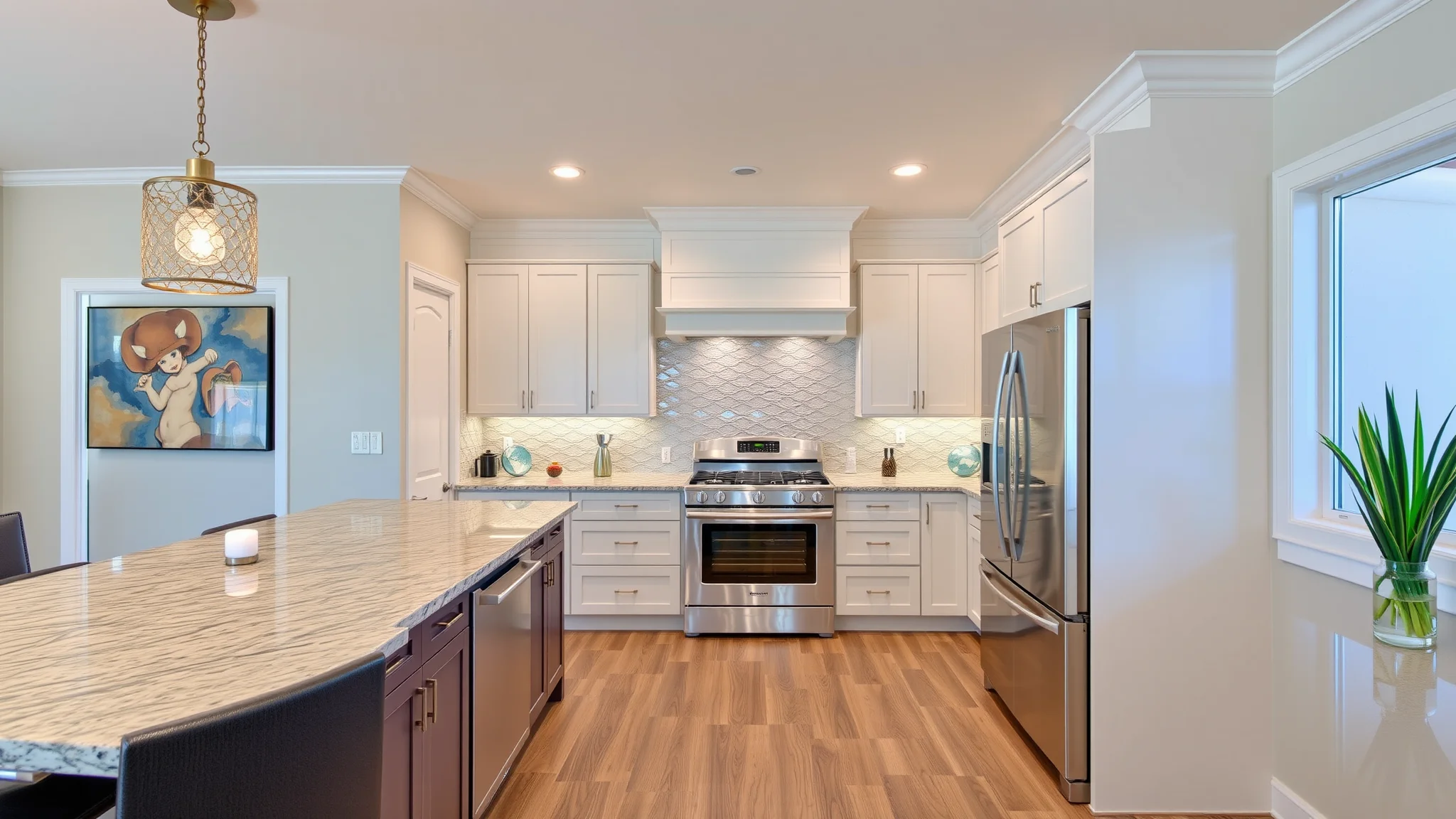
In recent years, the importance of designing spaces that are accessible and safe for everyone has gained recognition across various sectors, especially in home renovations. ADA compliant kitchen renovations ensure that kitchens are not only aesthetically pleasing but also functional and safe for individuals with varying abilities. These renovations reflect a commitment to inclusivity, allowing residents and visitors alike to navigate and use the space comfortably and independently.
Creating an accessible kitchen involves adhering to guidelines set forth by the Americans with Disabilities Act (ADA), which provides comprehensive standards for designing spaces that accommodate individuals with disabilities. Integrating these standards from the outset of your renovation project can significantly improve safety, usability, and overall quality of life.
What Are the Key Components of ADA Compliant Kitchen Renovations?
- Counter Height and Reach Ranges: Countertops should be installed at appropriate heights—generally between 28 to 34 inches—and include lower workspaces or adjustable surfaces for wheelchair users.
- Clear Pathways and Turning Space: Ensure at least 36 inches of clear floor space for maneuvering wheelchairs and mobility aids.
- Accessible Storage Solutions: Use pull-out shelves, adjustable cabinets, and easy-to-reach drawers to facilitate access for all users.
- Leveled Flooring: Smooth, slip-resistant surfaces help reduce tripping hazards and facilitate mobility.
- Accessible Appliances: Install appliances with front-mounted controls, side-access doors, and placement that allows for easy reach and operation.
How Do You Incorporate Safety Features into ADA-Compliant Kitchen Designs?
Safety is a cornerstone of ADA compliant kitchen renovations. Here are essential safety features:
- Anti-slip Surfaces: Use textured flooring and mats to prevent slips and falls, especially in wet areas.
- Proper Lighting: Adequate, glare-free lighting reduces accidents. Consider specialized lighting for visually impaired users, which can be integrated into the design.
- Lever-Style Hardware: Replace traditional knobs with easy-to-operate levers to simplify opening cabinets and appliances.
- Rounded Edges: Incorporate rounded countertop edges to minimize injury risks.
- Emergency Features: Easy-to-access fire extinguishers and smoke detectors should be integrated seamlessly into the kitchen design.
What Are the Best Practices for Creating an Accessible Kitchen Layout?
The layout of your kitchen plays a vital role in its accessibility. Here are best practices:
- Work Triangle Efficiency: Position the sink, stove, and refrigerator within easy reach to streamline workflow and reduce movement barriers.
- Open Floor Plans: Minimize obstructions with open-plan designs that allow for unencumbered movement.
- Universal Design Principles: Incorporate elements like wider walkways and adjustable countertops to serve users of all ages and abilities.
For inspiration on modern trends that can complement accessibility, explore the minimalist kitchen trends and learn how sleek, simple designs can improve functionality.
How Can You Choose the Right Materials for ADA Compliant Kitchen Renovations?
Selecting appropriate materials is crucial for safety, durability, and aesthetics. Consider the following:
- Non-slip Flooring: Opt for textured tiles or resilient vinyl flooring designed for slip resistance.
- Low-Emission Cabinets: Use eco-friendly, low-VOC paints and finishes on cabinets and surfaces to improve indoor air quality.
- Durable Countertops: Materials like quartz or granite that withstand heavy use and are easy to clean.
- Accessible Hardware: Lever handles and soft-close mechanisms reduce strain and prevent injuries.
What Role Do Technological Innovations Play in ADA Compliant Kitchens?
Technology offers innovative solutions that enhance usability and safety:
- Automated Appliances: Voice-activated or app-controlled appliances simplify operation for all users.
- Smart Lighting Systems: Automated, adjustable lighting improves visibility and reduces accidents, especially for visually impaired users.
- Accessible Controls: Install switches and controls at accessible heights with large, tactile buttons for easy use.
- Home Assistants: Devices like smart speakers can assist with reminders, timers, or emergency communication.
Integrating these smart features ensures your kitchen remains functional and user-friendly for everyone.
How Do You Stay Within Budget While Implementing ADA Compliance?
Balancing accessibility needs with budget constraints is achievable with thoughtful planning. Some strategies include:
- Prioritize Critical Features: Focus on essential modifications that provide the most safety and functionality benefits.
- Use Cost-Effective Materials: Explore options like resilient vinyl flooring or ready-to-assemble cabinets.
- Repurpose Existing Structures: Modifying existing cabinets or counters can reduce costs compared to complete replacements.
- Plan for Future Upgrades: Design flexible layouts that can accommodate additional features later on, reducing upfront expenses.
Explore more ideas on budget-friendly kitchen upgrades in this post on affordable renovation ideas.
How Can a Professional Contractor Help in Achieving ADA Compliance?
Engaging a professional construction company like Master Design Construction and Roofing - Rancho Cucamonga ensures that your project adheres to all ADA standards and local building codes. Experienced contractors provide:
- Accurate assessment of your space and needs
- Access to quality materials and innovative solutions
- Efficient project management to minimize disruption
- Customized designs that blend accessibility with aesthetic appeal
How Do You Maintain and Upgrade Your ADA Compliant Kitchen Over Time?
Maintaining accessibility features ensures continued safety and functionality:
- Regularly inspect for wear on flooring and hardware
- Update lighting and controls as needed to accommodate changing needs
- Keep appliances and safety devices in optimal working condition
- Seek professional upgrades for new technology or safety standards
Implementing a proactive maintenance plan helps preserve the integrity and usability of your accessible kitchen.
What Are Some Common Challenges in ADA Compliant Kitchen Renovations and How Can They Be Overcome?
Challenges such as limited space or structural limitations require creative solutions:
- Utilize Custom Solutions: Partner with experts to design tailored cabinetry and layout options.
- Opt for Multi-functional Features: Use fold-away or retractable elements to maximize space.
- Incorporate Vertical Storage: Use wall-mounted cabinets and shelves to free up floor space.
Effective planning and consultation with experienced contractors can overcome these obstacles, ensuring your kitchen remains accessible and safe.
How Do You Ensure Your Kitchen Renovation Complies with Local Building Codes?
While ADA standards provide federal guidelines, local building codes might have additional requirements. Collaborate with licensed professionals familiar with Rancho Cucamonga's regulations to:
- Obtain necessary permits
- Plan modifications that meet or exceed safety standards
- Incorporate local accessibility ordinances into your design
Conclusion: Building Safe, Accessible, and Beautiful Kitchens for All
Designing an ADA compliant kitchen is a meaningful investment in safety, independence, and inclusivity. By understanding the key components—from layout and safety features to smart technology and materials—you can transform your space into a functional and welcoming environment for everyone. Partnering with experienced professionals like Master Design Construction and Roofing ensures your renovation adheres to all standards and reflects your vision.
Take actionable steps today to create a kitchen that is not only compliant but also a beautiful centerpiece of your home. Remember, thoughtful planning, expert guidance, and a focus on inclusivity make all the difference in achieving a space that works for everyone.
Discover how specialized lighting can enhance safety and functionality in accessible kitchens in this detailed guide.